

















From gas stations on every corner to coffee shops on nearly every street, caffeine is more accessible than ever. When walking around schools and other public places cans of Monsters or Red Bulls can easily be spotted. Is there a way to balance your usage of caffeine when you have no idea what contains caffeine or where it even comes from?
What Exactly Is Caffeine?
Caffeine is a stimulant drug that is widely available to the public. You may find it in everyday drinks and not realize that it’s there. The National Library of Medicine stated that caffeine “Is widely recognized as the most utilized psychoactive stimulant worldwide.” But the usage of caffeine is not just a modern day idea, it’s been used for centuries.
A Stimulant with a Long History
Tea was the earliest known use of a caffeinated product, dating back to ancient China around 2700 B.C. It was most commonly used for its therapeutic properties. Coffee was discovered during the ninth century when a shepherd noticed his goats were energetic after eating coffee cherries. His discovery spread and eventually led to coffee being made from the dried seeds otherwise known as coffee beans. Energy drinks were first developed much closer to modern day, in Japan during the sixties. They have continued to rise in popularity at an exponential rate hitting a spike in the later 2000s.
STUDENT USE
“About 85% of adults consume caffeine daily.”
According to the American Medical Association, about 85% of adults consume caffeine daily, averaging around 135 milligrams.
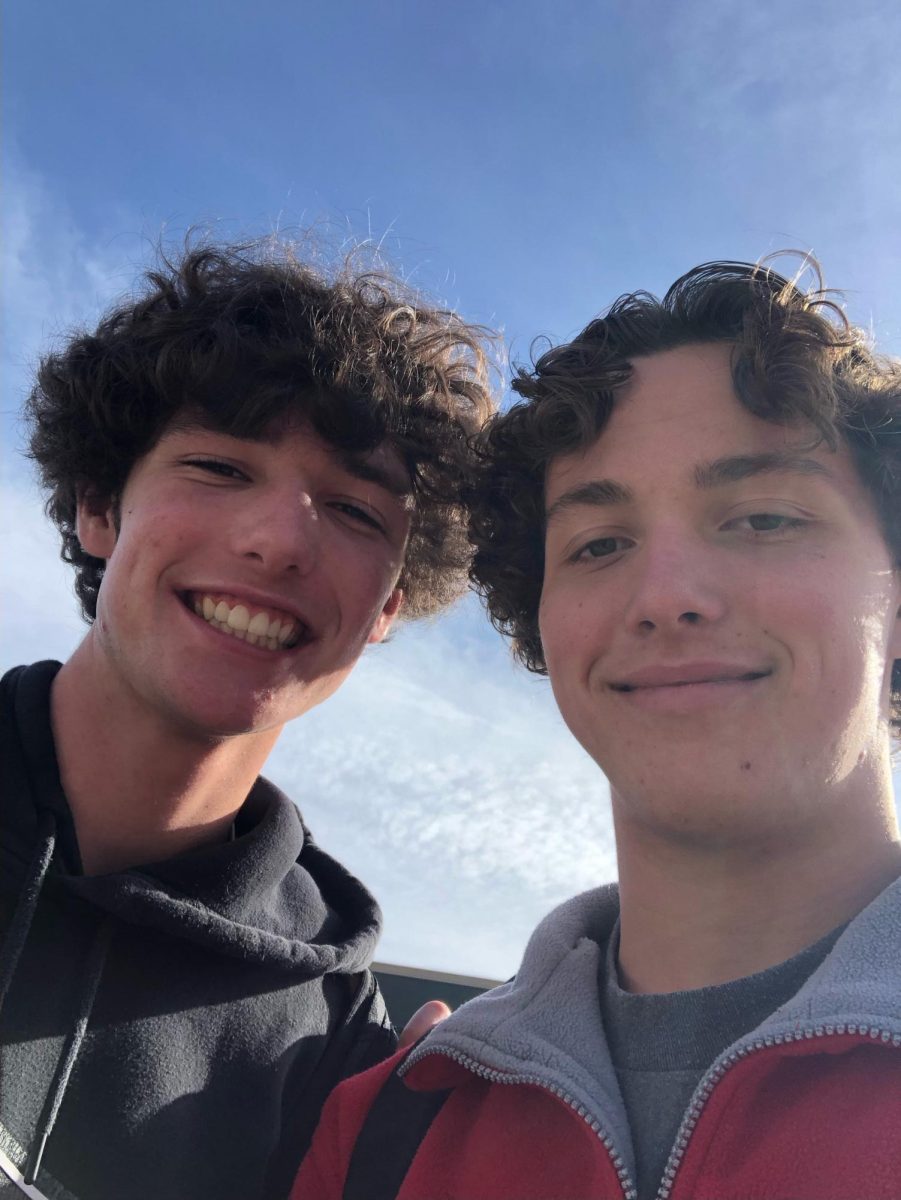
Having a balanced relationship with caffeine is important to maintain. Ethan Winzenreaid, a student at AHS, tries to maintain a healthy relationship with caffeine by limiting himself to either one Mcdonalds coffee or a ghost energy drink daily. Ethan stated that “I limit myself because I’ve had heart palpitations In the past due to caffeine ”
The Upside of Caffeine
In limited amounts caffeine can actually have a multitude of health benefits including soothing migraines and improving your mood. Because caffeine stimulates dopamine production in low doses it can also help with depression. The most important thing to keep in mind when drinking caffeine is moderation is key.
Zachary Binger, a Freshman at AHS drinks States “I drink three to five Monsters a day… they taste good.”
While this is considered an excessive amount of caffeine, there are reasons behind his decision. Because he has ADHD, caffeine affects him differently than an average person. It’s basically a form of medication to level out the difficulties that come with ADHD. He could make it through his day with a lower amount, but as many students claim, “they taste good.” so he continues to drink them. When asked if he ever wanted to switch to other forms of caffeine such as caffeine pills, he simply replied “I don’t want to pop pills throughout the day.”
Relying on the Boost
Bad or reliant relationships with caffeine can lead to health problems and even death. Just like other drugs there are side effects and a possibility of overdosing if you drink too much caffeine. Lucas Drexler, senior at AHS, said that “too much caffeine makes me feel sick”, which is one of the many side effects you could develop after over consuming. Other students interviewed claimed to get tremors and headaches from drinking too many energy drinks.
Can You Get Hooked?
Caffeine can lead to dependence in many people, and overtime that dependence can build. Multiple students in a poll claimed to feel reliant on caffeinated drinks in order to get through the day. Going without caffeine after having it consistently can cause a multitude of withdrawal symptoms. Keegan Lee, senior at AHS, said that she gets extremely tired to the point that “Without caffeine, I can’t keep my eyes open.” Other students claimed they get extreme headaches and that their emotions can be affected.
“For most adults, the FDA has cited 400 milligrams a— that’s about two to three 12-fluid-ounce cups of coffee — as an amount not generally associated with negative effects.” -The FDA
Know What You’re Drinking
One of the most common drinks that contains caffeine is a variety of sodas. Soda has been rising in popularity since its creation in the 1800s. There are a bunch of sodas with small amounts of caffeine. One of which is Dr. Pepper, a drink you can see all around AHS. It’s one of the most caffeinated sodas with about forty two milligrams. Caffeine is definitely not the only thing in sodas that can cause problems, there are high levels of sugars and artificial flavors.
Matcha is a green tea leaf that is ground into a fine powder and brewed into a traditional Japanese tea. Even though it’s been made popular in the past couple of years, Matchas origin dates back to the sixteenth century. It has anywhere between thirty eight and eighty nine milligrams of caffeine in an average glass.
Brewed from coffee cherries, coffee is the most popular form of caffeinated beverages in the world. Coffee has been popular for hundreds of years, and is widely consumed in every part of the world. A cup of coffee can have anywhere from thirty to one hundred and seventy five milligrams of caffeine.
But a black cup of coffee, a coffee with creamer and a starbucks frappuccino are completely different. Unlike what is warned about caffeine, drinking a black cup of coffee is known to promote heart health. When adding sugary ingredients like creamer to coffee the benefits slowly become less prominent. When dinking a starbucks carmel frappuccino, for example, the benefits of caffeine is outweighed by flavoring and syrups.
But today one of the most popular ways to drink caffeine is energy drinks. Whether it is thirty eight and eighty nine milligrams of caffeine, Red Bulls Monsters, Ghosts, Celsius, or Alani, energy drinks are everywhere. They are by far the most caffeinated of all caffeine drinks with anywhere from eighty to two hundred milligrams of caffeine depending on what brand you drink. The problem with energy drinks is not just the extreme amount of caffeine, but all the additives put in them. They often add high levels of sugar and other stimulant compounds such as guarana, taurine, and L-carnitine.
Caffeine is commonly looked at as harmless or less dangerous than other drugs. Its influence is everywhere making impressions on us without us really realising it. It has uses but are they overshadowed by its drawbacks? Next time you have a caffeinated drink ask yourself do you know what it is and what’s in it? And do you know what it can do to you?