












Everyone has a different perspective on what the American Dream means to them and their family. Is it the classic idea of buying a home, a chance to live in safety, or being able to contribute fully to their community? The immigrants’ experiences often define the American Dream differently than that of Americans who have security in property or birthright in the United States. Regardless of birthright, property ownership, or positive contributions to the community, one’s skin color, accent, status of family members, and so many other factors contribute to the perception of who should have access to their personal vision of the American dream. And who should not. These factors define every individual’s experience and perspective of the incredibly exclusive American Dream we are all chasing.
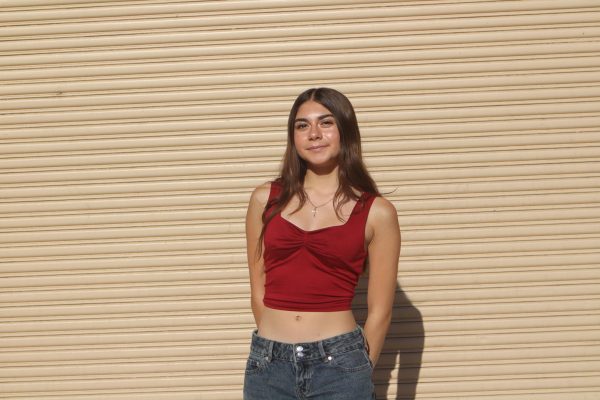
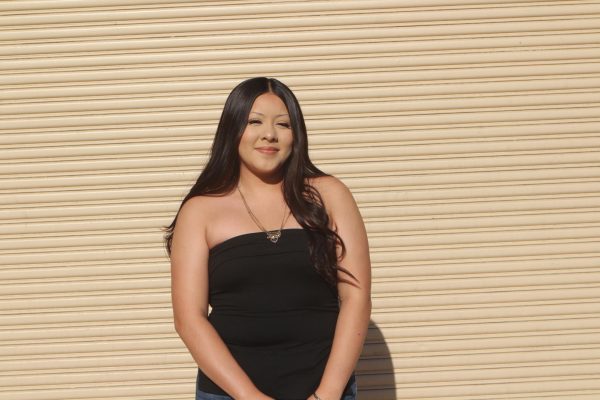
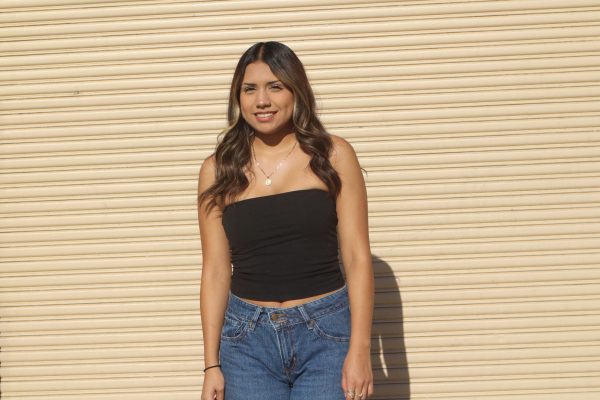
Valeria shared her perspective on arriving in the United States. At the tender age of nine, she felt eager to come to a new place. A land she believed would offer safety, freedom, and new opportunities for her education. The first day of school for her was a day she would never forget. She said, ‘I felt nervous and scared to arrive. “I vividly remember telling my mom I felt ‘sick’ because of how scared I was to go to school.” When she arrived, she saw everyone had their own friend groups and felt like the odd one out. She imagined her first day would be like the movies, everyone excluding her for not knowing the language. After the first week, she was excited to learn a new language and was looking forward to it, thanks to the teachers and students who helped make her learning easier. She also remembers when Trump was elected president in 2018. Word started to spread in her community that she may not be as welcome as she thought. She was afraid every day to go home after school and not see her parents return from a long day at work in the fields, due to all the ICE raids. . Daisy shared her perspective as an American with Mexican Heritage.
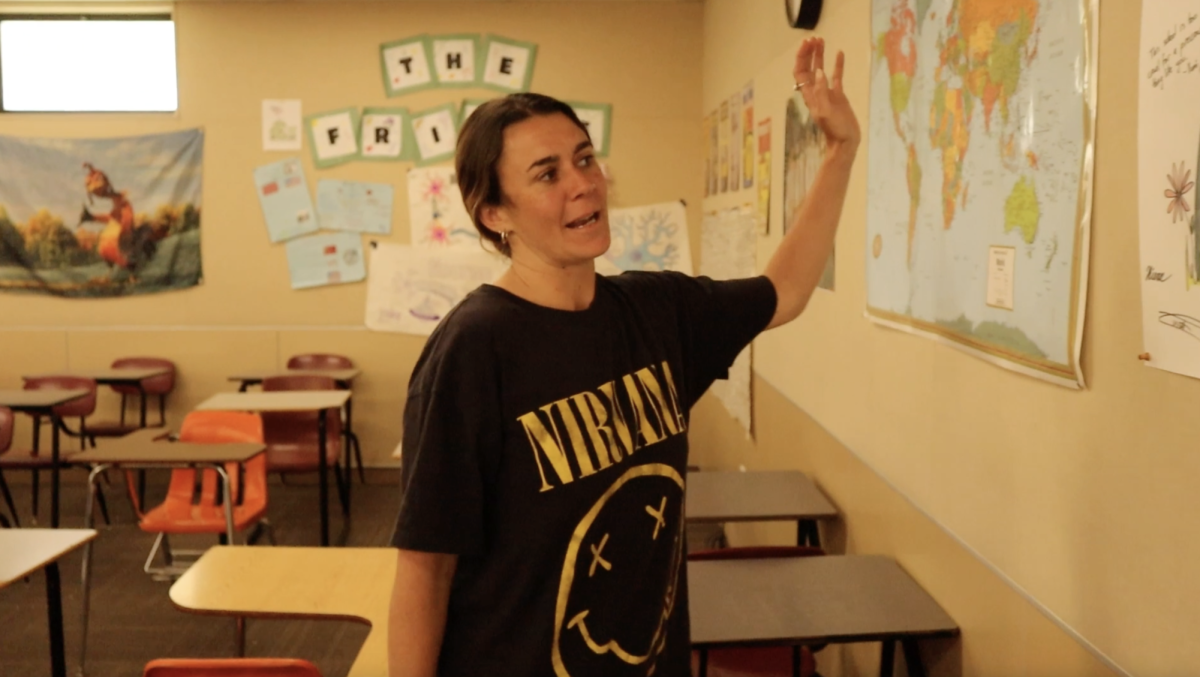
While Valeria’s journey was shaped by the challenges of navigating a new language and culture, Daisy’s experience highlights the long-standing struggles that immigrant families face in this country. Daisy says, “ Deporting people, who are making our country great again, is just going to make us all lose jobs and the American Dream.” “People say that they are taking jobs. Jobs that Latinos have tirelessly done the best at for generations. Jobs such as construction, janitorial work, care giving, these are essential jobs to our country and community; we need them in our community. Latinos contribute to our community in countless ways.” Daisy also said, that deportation and the rhetoric makes everyone feel more negative. “We are more against each other rather than being a loving community that supports each other’s American Dreams.” Earlier, Valeria spoke of how welcoming her 4th-grade classmates were. Daisy sees that, “ Now students have negative views of their peers who support deportation. This creates friction that will last for years”
She stated that “it is just going to make them really hateful in the future.” Believing that the effects of the hostile rhetoric and the aggressive deportations will have a lasting impact on us, as young people, and affect the future to come. While Valeria feared for her family’s safety due to ICE raids, the policies she faced were not isolated to just her community. They are part of a larger, nationwide approach that has increasingly targeted individuals based on appearance, accent, and occupation. It is true that for decades, the U.S. has deported immigrants. However, from the Obama administration through the Trump administration, the system grew harsher. Despite claims that deportations target criminals, ICE raids often detain people based on appearance, language, or job status, with no evidence. Detainees, including parents of American-born children, some of whom have contributed to our community for years. They are handcuffed and held in crowded cages, often without access to proper food, bathrooms, or legal aid. It is recognized that the U.S. has been doing this for many years, although the issue did not heat to a boiling point until the presidency of Trump in 2018. The xenophobic rhetoric that happened during this time made it clear to Latinos that deporting criminals was not the priority. Then, on September 8, 2025, in a 6–3 ruling, the Supreme Court ruled that Federal Immigration Officers can legally target individuals because of their race, skin color, how they speak, and for the job they work, or for being at an Agricultural site, a bus stop, or even at a car wash, forcing ICE agents to criminalize jobs, transportation modes, language, and race. The Supreme Court has ruled that racial, linguistic, and job profiling are legal. It also reinforces the fear that people live with every day, the fear of being unjustly detained just for looking different or speaking a language other than English. Justice Sonia Sotomayor said.
Decisions like these show a divided country, one where, Daisy witnessed, you are never quite sure if you are respected or despised by the people around you. Another such change in September 2025, when Trump issued of a proclamation that imposes a new $100,000 fee on H-1B non-immigrant visas (a non-immigrant visa that allows U.S. employers to employ foreign workers in specialty occupations), which affects doctors, nurses, and highly skilled labor coming to America from abroad, reflecting yet again the xenophobic mission of the Trump Administration. Unlike Obama, Trump’s aim goes beyond low-income workers and targets anyone foreign, especially those from predominantly darker-skinned nations.
Experts, such as, Zanny Minton Beddoes, the Editor-in-Chief of The Economist, agree with Daisy’s comment that the deportation of both low-income and high-income workers from abroad will have consequences for the country’s economy and will affect us all. She also stated that, “My worry is that if it [net negative immigration] is sustained for a number of years ,because the U.S. needs more people for its economy to grow, I think it will hurt the U.S. economy.” Zanny Minton Beddoes, the Editor-in-Chief of The Economist. It is as if the administration does not understand that America’s dominance has benefited from its support of a global workforce on domestic soil for its entire existence as a nation. According to these opinions it seems that destroying one person’s vision of the American Dream will also corrode all versions of it. As our nation forces families apart and students like Valeria and others live with feelings of fear and exclusion everyone loses but some more than others.
On June 14, 2025, many people from our small town of Atascadero, gathered around the main road of El Camino Real to protest “No Kings Day”. Approximately 1,000 to 2,000 people participated in the movement, and the Atascadero Police Department was involved in ensuring the safety of the attendees. This protest gave a message that the harsh immigration laws and deportations happening may not sit well with many, as people held up signs saying, “No One is Illegal on Stolen Land” and “We Were All Strangers Once Too!”. Families were brought together, as well as neighbors, children, and friends, chanting so that people could hear their voices for those who could not speak up. For people like Valeria and Daisy, who have felt the sting of exclusion and fear, these protests were a way to channel their frustration into something powerful: a collective call for justice and inclusion.
Then again, on October 18, 2025, San Luis Obispo participated in its 2nd No Kings Day protest, where Mandi Sweet was the lead organizer of the event. People held posters, held balloons, and donned costumes to show their support and respect. The city shut down blocks and set up a massive stage with speakers addressing a crowd of about 5,000 people. People were holding up both U.S. and Latin American flags to show solidarity with immigrant communities. By the end of the protest, the rally turned into a huge party. People got along and celebrated in peace. Protests help represent immigration by the opposition to deportation and raids, and aim to defend the rights of immigrants and support their families.
While conducting research, we sought to understand the opinions of our county’s government regarding immigration enforcement, specifically deportation. Our California state assembly member for our county, Dawn Addis, said, “What the federal administration is doing by bringing militarized troops into communities and conducting immigration raids picking up even documented and legal residents that have no violent past shows that immigrant legal defense is critical right now.” At the local level, leaders like Dawn Addis understand the vital role immigrants play in our economy and society, and they are speaking out against policies that harm the very people who contribute to the vibrancy of our communities.
One question that seemed to pop up often is Why would they want to leave their own country? There are many reasons; everyone has their own story, their own purpose, and their own dream. Sometimes Immigration from Latin America is triggered by instability, corruption, and violence, conditions often rooted in the political regimes supported by U.S. influence during the Cold War.
Throughout this era, American foreign policy prioritized fighting communism over protecting democracy, which led to the U.S. supporting authoritarian regimes in countries in South and Central America. These governments, armed and financed by U.S. interests, created economic inequality, the drug cartel, and decades of displacement that continues to push families northward in search of safety and opportunity. Should America not welcome those affected by decades of chaos created in her name?
The question of the American Dream is not a new one, but it takes on a different meaning for immigrants as those who have come seeking safety, opportunity, and a better future for their families. Is the American Dream about exclusion, or is it about inclusion and unity? It all comes down to this: Can we shape a future where the American Dream is still alive. One where innocent people who risk their lives for the sake of their families are seen as noble, not criminals? Can we shape a future where wanting to contribute fully to society is honored and supported, not suppressed by fear. We as Americans, as humans, have dreams, regardless of our status. Why can’t we all pursue our dreams in tandem with each other? Is the vision of an inclusive America, where everyone can chase their version of the Dream, still worth striving for?