




















Finding Belonging
Every young person is looking for connection, but where will they find it? In many communities across the United States, youth gang recruitment has risen in the years following the COVID-19 pandemic. Arguably, a majority of the blame falls on rising tensions in the nation; like the recent economic and social instability affecting families and worsening racial tensions. According to the U.S. Department of Justice, research also points to reduced access to support systems, having created conditions where more young people are vulnerable to gang involvement. As these pressures grow, so does the need for belonging. For some, belonging is found in spaces that carry long-term consequences. Understanding that pattern is key to building stronger, more responsive communities.
When Connection is Missing, Where Do People Go to Find It?
Data tracking youth behavior shows that gang involvement varies by age and location. Typically, people are drawn into gangs through peers and family because of the pre-established connection they’ve found. As reported by KidsData, “gang membership increases with age during adolescence”, corresponding with a teenager’s need to find their social circle, something that we all can relate to. Everywhere, social circles play a huge role in a person’s route in life.
What Factors Increase the Likelihood of Youth Gang Involvement?
The pathway into a gang changes for each person. Contributing factors can include peer influence, financial incentives, and a desire for belonging. Charles “Bear” Spratley, founder of BABY, an organization that works in gang prevention, describes recruitment strategies focused on inclusion, connection, validation and even access to money. Organizations working in intervention, such as the Global Homeboy Network emphasize that “providing support, jobs, and community reduces the likelihood of gang involvement,” emphasizing prevention through opportunity.
History
Gangs are not a new phenomenon. To understand current trends, it’s important to examine their historical roots. Historically, gang formation in the United States has been linked to social exclusion, discrimination, and limited access to economic opportunity- such as racism and xenophobia. Studies on gang formation from the National Library of Medicine (PMC), note that “groups emerge in response to social and structural disadvantage”, when a group of people are ostracized, torn down, and rejected by the majority, forming their own groups to combat the formation of other groups is inevitable.
Consequences
While gangs may promise protection, belonging, and financial opportunities, the price paid for these scarce rewards is hardly worth it. Gang involvement can result in a range of consequences, including criminal charges, loss of life, and ruined relationships. Research published through the Library of Medicine found that gang members face up to 5.6 times the risk of death compared to the general population. What first offers belonging can also carry the highest risk; your life. Research published through the National Library of Medicine further connects gang affiliation to increased risk exposure, stating that “gang membership is associated with significantly higher rates of victimization”. The State of California Department of Justice website states that, in California, those involved or suspected to be involved with gangs are marked on a database, which can lead to increased police stops, harsher criminal charges, and challenges with employment, housing, and immigration. The mere suspicion of a person having an affiliation with a gang is enough to change their whole life trajectory, and that’s arguably one of the lighter consequences associated when considering the probability rates of death, injury, substance abuse, and more. Beyond these systemic impacts, involvement can also limit personal progress. Time spent in gang-related activity can reduce school attendance, academic performance, and participation in extracurricular or career opportunities that lead kids to success. Ongoing exposure to conflict, instability, or violence affects decision-making, relationships, and long-term planning bring hardship to members and their families both financial, physical and mental wellbeing.
Pop Culture
Gangs are frequently featured in pop culture one way or another, even in class readings. Texts commonly taught in schools, such as The Outsiders 1960s and Romeo and Juliet (expressed dramatically in the 1996 film), feature territorial fighting and group conflict structures that parallel gang dynamics. Since the 1960s, the rise of mass media has contributed to public awareness of gang culture. Films, music, and literature have shown aspects of gang life with varying degrees of realism, shaping public perception. In the modern age, there’s no doubt that every student is aware of what a gang is, one way or another.
In the movie industry, many plots draw from the exploitation of the gang lifestyle. Pop culture media, such as Scarface (1983), glorify gang culture and fail to show the day-to-day struggle that people face, portraying aspects of gang culture with varying emphasis on violence and lifestyle. On the other hand, films like Menace II Society (1993) give us a perspective on the daily aspect of gang life in a community. At the same time, prevention research emphasizes that perception does not always align with reality. Public health and criminology summaries on risk/protective factors review on teen gang involvement states that “youth often join gangs seeking protection, belonging, or economic opportunity,” rather than for violence.
Similarly, there’s been many music artists throughout the years whose lyrics and lifestyle were greatly influenced by their time being involved with a gang. For instance, Tupac “2Pac” Shakur has written multiple songs that portray the conflicts of gangs in society and life. These portrayals in film, music, and literature show how deeply gang identity is woven into culture. Understanding these influences helps explain why gangs continue to appeal to some young people.
If connection is the draw, can it also be the solution?
As previously stated, the same tactics used to recruit kids into gangs can be used to keep them out. Recently, prevention efforts focus on access to productive activities and community programs, some regions have even begun reevaluating enforcement tools. Reports from San Diego County note that “many departments have moved away from gang databases due to concerns over accuracy and fairness”, showing a promising shift in approach.
Understanding what pushes people to join gangs helps center prevention strategies on access, engagement, and community-based resources. Thankfully, most towns and schools have a range of activities to join based on personal interests. Music- there’s band. Running- there’s cross country. Helping the community- joining a local scouting troop. Having to involve oneself in a gang because of circumstances leads to harsh, often irreversible effects. In the age of modern technology, there are many resources publicly available that can help prevent this.
Building relationships, creating a supporting school environment, being active in community programs, and creating inclusive spaces where youth feel recognized and valued can minimize vulnerability to recruitment and promote positive connections.
Teachers Schools and Peers
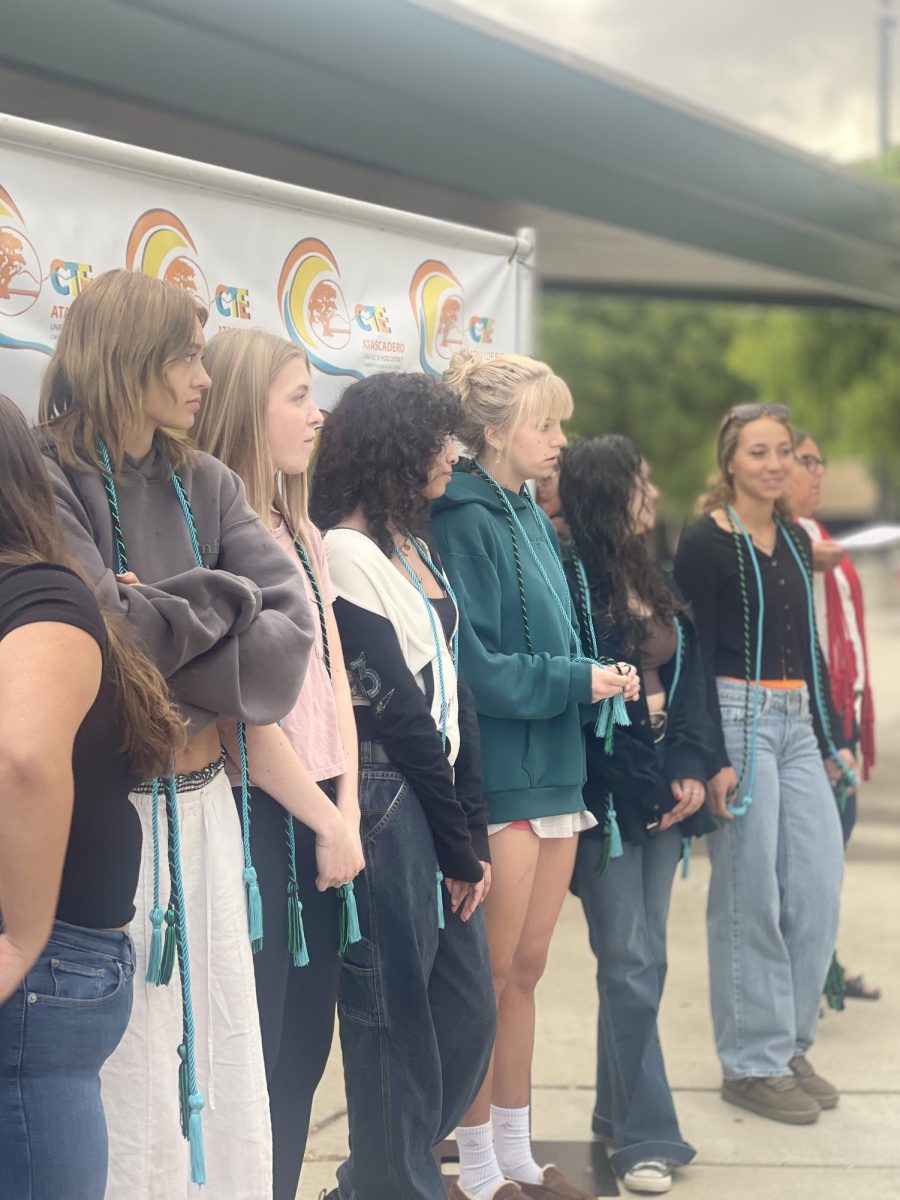
Many schools and peer-based prevention efforts focus on connection, consistency, and access to opportunities. The availability of other social outlets has proven to lower youth gang rates, as stated by The University of Illinois, College of Applied Health Sciences. Connections can be formed through sports, clubs, extra-curricular
activities, and community organizations. Joining these activities provides a sense of kinship with members, even if joining seems awkward or boring at first. Consistent relationships, recognition, and inclusive environments can reduce vulnerability to recruitment.
For educators and adult leaders, this means maintaining classroom structures, offering growth opportunities, and connecting students to activities like clubs, sports, career training, and arts programs. They can also create an alternative future for students who feel without choices or guidance. Rather than targeting the “bad” kids as thugs, keep an open mind. Treating a kid like they’re always wrong and not going to amount to anything leads many to start to believe it because of the treatment they’re receiving. Inclusion in social groups, collaboration, and informal support networks give alternative forms of belonging when it is lost. Community programs like Global Homeboy Network works to give youth opportunities to focus their energy positively and become educated on how joining a gang could impact them.
Prevention doesn’t rely on a single solution. It’s built through consistent relationships, access to activities and resources, and environments where young people are recognized and supported. As Spratley emphasizes, the same approaches used to draw youth into gangs such as attention and inclusion can be redirected in positive ways