






















For many AHS students, stress begins before the school day even starts, with homework deadlines, sports practices, social pressures and expectations which compete for attention. Managing this stress can feel overwhelming. Workloads, conflicts, and constant pressure often leave students with little time to breathe. We have to reflect on our own ability to overcome, and question, “How can I manage responsibilities, and most importantly myself?”
It’s easy to get lost when things seem out of your control, which is why being able to ease and handle things is so important.
This story explores why stress affects so many young people, when it tends to strike, and how learning simple, effective strategies can help students regain control and balance in their lives.
BREAKING THE CYCLE
Stress tends to strike when motivation is at its lowest, meaning neglecting your responsibilities is one of the worst things you can do to manage it. Ignoring responsibilities may feel relieving in the moment, but it often increases stress later. When procrastination becomes a habit, responsibilities begin to feel less urgent, making it even harder to stay motivated. When tasks need to be done, it’s vital that you’re willing to finish what you start. Regarding procrastination, there are many ways to prevent it from becoming a habit.
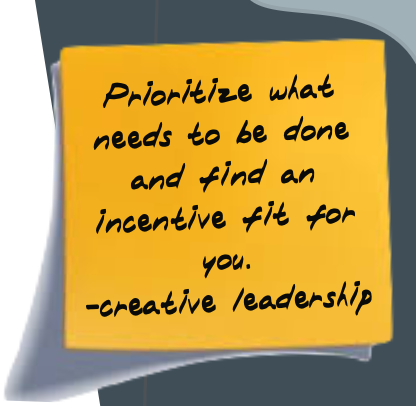
To start off, it’s important to create an environment that promotes productivity or limits distractions, and that you’re able to visualize the tasks you have, whether it be through lists, schedules, or mental maps to name a few. It would be smart to give yourself an incentive to complete work, so a small reward could do the trick whenever you achieve a goal. Junior, Joseph Neil, uses a simple method to stay productive, stating, “Whenever I feel like I’m procrastinating, I tell myself to put in at least 40 minutes into what I need to do, and afterward I reward myself by doing what I like.”
Figuring out why you procrastinate may also help you. There are many reasons people procrastinate from perfectionism to thrill seeking so getting to know your procrastination style might benefit you.
MINDSET MATTERS
Being compassionate towards yourself can help strengthen your ability to manage under stress. In fact, according to a study done by the National Library of Medicine, “After receiving a dissatisfying midterm grade, more self-compassionate students used strategies of acceptance and positive reinterpretation to cope with the failure.” Being able to deal with failure is something that can alleviate stress, as it helps push you forward and lessen the feeling of despair. Always remember that what you may consider a shortcoming isn’t failure, it’s an opportunity for your own growth, but it’s up to you to take advantage of it.
Mental health is at risk when someone doesn’t know how to manage things, and a draining mind will only dig you deeper. An emphasis on your mindset could be the key to finding what you need to push yourself. Personally, I’ve had to adapt my mindset and get out of my comfort zone in order to maintain a strong sense of self. You are more than your shortcomings, and remember to maintain a sense of self is crucial to your health.
STUDENT ATHLETES
AND STABILITY
For student athletes, stress can come from many circumstances. Student-athletes often struggle to balance schoolwork with demanding practice schedules. Fatigue from their physical activities contributes to this issue. This requirement of persistence is why students need certain grades and attendance to participate in sports to ensure they can handle the responsibility. Even so, balancing such responsibilities is often challenging for most of these individuals, but many have found successful ways to create consistency.
Student athlete, Ian McPherron, credits “spending nights prioritizing the assignments worth the most” as a useful strategy. Prioritizing high-impact work first can make heavy workloads more manageable, and can hopefully encourage you to tackle the smaller things. Furthermore, regarding finding motivation as a student athlete, they mention, “having to tell yourself that you won’t have much free time and that you should accept it”, while “having your love for the sport or team being a motivational factor”. This advice isn’t just applicable to balancing sports and school, motivation can be found anywhere and helps you get through so much when you’re focused enough.
FINDING BALANCE
No matter how well you manage workload itself, the best thing you can do is find balance. Pushing yourself and exceeding your own expectations is great when it comes for building your character and skills. However, that doesn’t mean you should drown in responsibilities. Again, it shouldn’t go one way or the other, rather having dedicated times to be productive and time for breaks is optimal. Taking breaks isn’t wasting time, it’s what makes everything else possible and we all need to find something meaningful for ourselves. There’s a lot to enjoy, whether it be spending time with friends or family, cooking, exercising, reading books, playing games, you name it.
Like responsibilities, neglecting the activities that bring us joy will only bring us down. A simple way to relax and ease things is to listen to music for example. Music combined with daily tasks is a great way to balance workload and enjoyment. As a matter of fact, the University of Nevada, Reno, states, “Upbeat music can make you feel more optimistic and positive about life” and “a slower tempo can quiet your mind and relax your muscles, making you feel soothed while releasing the stress of the day”. I’ve always found music to be a safe place for myself. Personally, the right song at the right time can completely change the outcome of my day and the attitude I move forward with. Whatever it may be for you, it’s crucial to utilize the resources available to you in order to have something to fall back on.
MOVING FORWARD
When all is said and done, it is evident that stress will always be a part of life. It may bring you down and be demotivating, but it can be handled. Stress may not go away, but learning to manage it changes everything. The only thing we can do is find comfort in the mess, whether it be through smart management, maintaining mental health, finding motivation, or finding joy in the things you love. Overcoming is an achievement in itself, so be proud of how far you’ve gotten and realize just how capable you are.
With simple steps you can take back control of your time and protect your well-being. If a situation seems completely out of control, always remember that there are resources available to provide support. As cliche as it may sound, you truly are never alone. As a final word of advice, ensure to strengthen and deepen the relationships you have. Having others to give a new perspective or opinion about a problem you are having, will allow things to become much clearer. Life is
about balance and finding the will to achieve what we want, so take advantage of the time you have.